
— Lake Tapps, WA & Surrounding Areas —
Outdoor Lighting Maintenance and Repair That Restores the Full Effect
Primal Outdoor Lighting & Design repairs, adjusts, and maintains low-voltage outdoor lighting systems across the Puget Sound region. We look beyond the failed fixture to identify the wiring, transformer, aiming, corrosion, landscape growth, or installation issue affecting the system as a whole.
— RESTORE THE SYSTEM, NOT JUST ONE LIGHT —
Fix the Cause Before the Same Problem Returns
An outdoor lighting system can lose performance gradually. Fixtures shift, plants block beam paths, connections corrode, wire is damaged, lenses collect debris, and transformers become overloaded or unreliable.
Primal evaluates the entire system before recommending repairs. That broader approach helps distinguish a simple lamp or fixture issue from a wiring, power, layout, or environmental problem that will continue causing failures.
A Complete Check of the Lighting System
Maintenance and repair should restore more than basic power. The system should also regain its intended balance, visibility, and nighttime appearance.
Test fixtures, wiring, connections, transformers, timers, and controls
Identify dim lights, intermittent failures, voltage issues, and damaged components
Clean lenses and remove debris that blocks or distorts the beam
Re-aim fixtures that have shifted or become hidden by plant growth
Correct glare, dark gaps, uneven brightness, and inconsistent fixture performance
Once the immediate problem is understood, Primal explains what can be repaired, what should be replaced, and which improvements are worth considering. The goal is a practical correction rather than a series of temporary patches.
— Why Primal —
A System-Wide Repair Approach
A burned-out or dim fixture is often only the visible symptom. The underlying issue may be a failed connection, damaged wire, overloaded transformer, water intrusion, poor voltage distribution, or a component that was never suited to the location.
01
Diagnose Before Recommending Replacement
Primal begins with testing and inspection rather than assuming every failed fixture needs to be replaced. This helps avoid unnecessary costs and gives the homeowner a clearer picture of the system’s actual condition.
02
Repair What Still Has Useful Life
When wiring, fixtures, transformers, or controls remain serviceable, targeted repairs may restore performance. Components that are badly corroded, repeatedly failing, or incompatible with the rest of the system can be identified for replacement.
03
Re-Aim the System After Repairs
A repaired system still needs to look right. Primal reviews fixture direction, beam coverage, glare, and transitions so the system is not only working again but producing a more balanced result.
— PROTECT THE ORIGINAL INVESTMENT —
Keep Small Problems From Becoming a Full-System Failure
Outdoor lighting is exposed to rain, soil movement, landscaping work, roots, irrigation, falling debris, and seasonal plant growth. Without periodic attention, minor issues can reduce performance and create additional strain on other parts of the system.
Routine maintenance can help:
Restore blocked or weakened light output
Reduce repeated fixture and connection failures
Catch damaged wire before larger sections go dark
Keep pathways, steps, entries, and edges properly illuminated
Preserve the original balance between architecture and landscaping
Extend the useful life of serviceable fixtures and equipment
Maintenance is also an opportunity to evaluate how the property has changed. Trees grow, garden beds fill in, hardscapes are added, and outdoor living areas are reconfigured. A system that worked well several years ago may need new aiming or selective updates to fit the property today.
— REPAIRS YOU CAN SEE —
Bring Back the Lighting Effect You Originally Paid For
Primal’s repair and maintenance gallery should show more than a fixture turning back on. Project examples should demonstrate corrected glare, restored tree lighting, repaired dark sections, cleaned lenses, updated components, and improved aiming.


Full landscape & curb appeal outdoor lighting design


Path lighting


Dock lighting


Curb appeal lighting
— REPAIR COST FACTORS —
What Shapes the Cost of Outdoor Lighting Repair
The cost of a repair depends on the source of the problem, the condition of the system, and the time required to trace hidden faults. Primal evaluates the existing equipment before recommending a repair scope.
Factors may include:
Type of failure: A shifted fixture or failed lamp is different from damaged underground wire, transformer failure, or widespread connection problems.
System condition: Age, corrosion, mismatched components, and previous repairs can affect what can be restored.
Access and troubleshooting: Dense landscaping, hardscapes, long wire runs, waterfront areas, and buried connections can make faults harder to locate.
Replacement needs: Fixtures, wiring, controls, transformers, and connectors may need to be replaced when repair is no longer practical.
A proper diagnosis helps separate immediate repairs from optional upgrades. Homeowners should understand what is necessary to restore function and what may improve the system beyond its previous condition.
— REPAIR BEFORE YOU REPLACE —
Know When a System Can Be Saved
A responsible repair contractor should inspect the system before recommending a complete replacement. Many systems have useful components that can remain in service once failed connections, damaged wire, poor aiming, or isolated equipment problems are corrected.
Be cautious of anyone who replaces individual fixtures without checking the transformer, voltage, wiring, and surrounding connections. Repeated failures often continue when the underlying cause is never addressed.
Ask whether the contractor will test the full system, explain the failure, separate required repairs from optional upgrades, and review the lighting after dark. The repair should restore both performance and the intended visual effect.
— FAQs —
Common Repair Questions
Everything you need to know before getting started.
Why are some of my outdoor lights dim while others are bright?
Uneven brightness can be caused by voltage drop, poor connections, damaged wire, aging components, or differences between fixtures. Testing the circuit and connections helps identify whether the problem is isolated or affecting a larger section of the system.
Can you repair a system installed by another company?
Yes. Primal can inspect and repair many existing low-voltage lighting systems, even when another contractor completed the original installation. The condition, compatibility, and availability of replacement components will affect the recommended solution.
Why do my outdoor lights keep failing?
Recurring failures may point to corrosion, water exposure, overloaded equipment, damaged wire, loose connections, incompatible components, or installation problems. Replacing the same failed part without correcting the cause often leads to another service call.
How often should outdoor lighting be maintained?
The right schedule depends on the property, system age, plant growth, weather exposure, and surrounding activity. Periodic cleaning, aiming, testing, and trimming around fixtures can help maintain consistent performance.
Can an older system be repaired and upgraded at the same time?
Yes. Primal can repair essential problems while also recommending selective upgrades for outdated fixtures, poor coverage, glare, controls, or inefficient layouts. The homeowner can then decide which improvements should be completed now and which can wait.
— How iT Works —
From Dark to Stunning
A simple process from first conversation to final walkthrough. You will know what we recommend, why it matters, and what your home will look like before installation begins.
1
Free Custom Design Consultation
We visit your property, talk through your goals, and look at the areas you want to improve after dark. You get expert recommendations with no pressure and no commitment required.
2
Review Your Design & Quote
We present your custom lighting plan with a clear quote, fixture recommendations, and placement details. You will know what is being installed, where it is going, and how it will improve your property.
3
Professional Installation
Our team installs your lighting system cleanly and carefully, with attention to fixture placement, wiring, and the finished look of your property. We work efficiently and treat your home with respect.
4
Follow-Up & Warranty
After installation, we check in to make sure everything looks and works the way it should. Your system is backed by our workmanship warranty, so you can enjoy your lighting with confidence.
— Client Feedback —
What Our Clients Say
5 stars on Google. Here's what homeowners across Washington are saying about their transformations.
— What We Install —
Our Services
Signature Service
Landscape Lighting
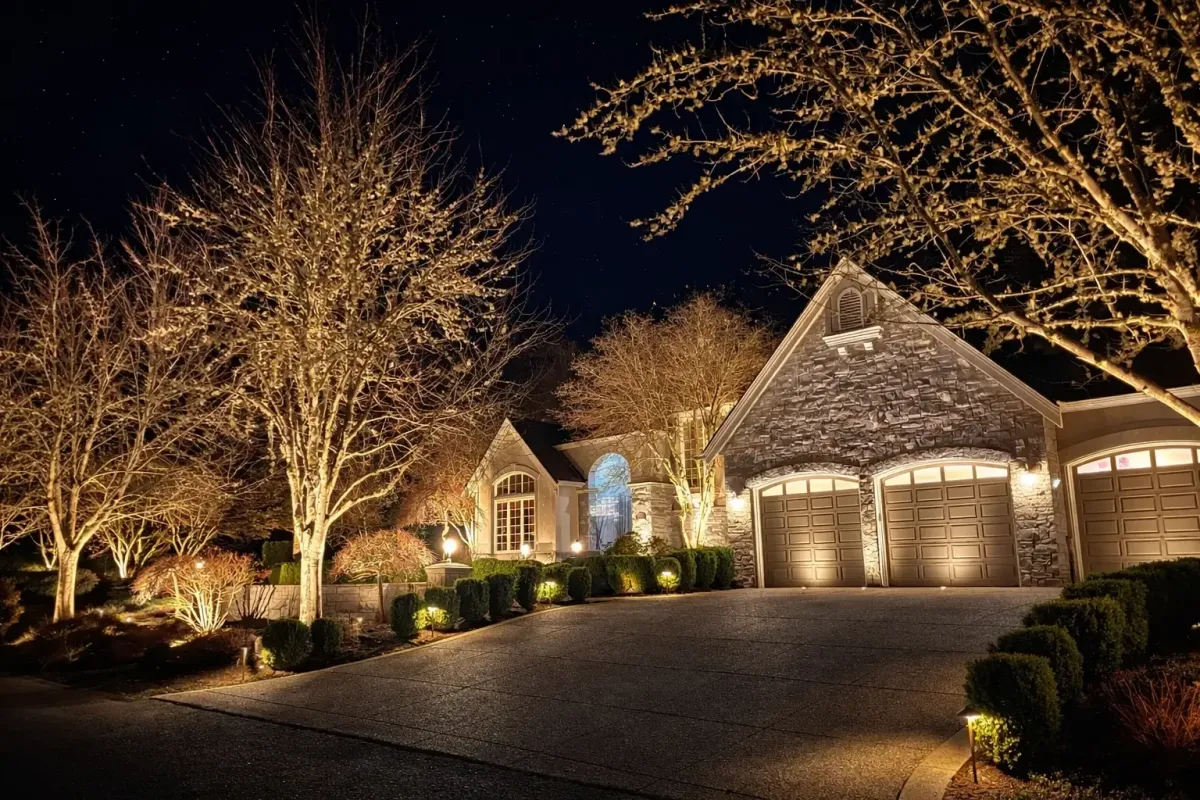
Turn your home and landscape into something you love seeing after dark. We design and install uplights, downlights, and accent fixtures that add depth to trees, garden beds, stonework, architectural details, and outdoor features.
This is where most properties feel completely transformed. The right landscape lighting makes your home look warmer, more finished, and more impressive from the street, driveway, and backyard.
Waterfront
Deck & Dock Lighting
Make your deck, dock, and waterfront spaces safer, warmer, and easier to enjoy at night. We install lighting that helps define steps, rails, edges, seating areas, and water-facing spaces without overpowering the view.
Arrival
Path & Driveway Lighting
Create a safer, more polished arrival experience from the moment someone pulls in. Path and driveway lighting helps guide guests, reduce dark spots, and make your home feel more welcoming at night.
Integrated
Hardscape Lighting
Bring built-in features to life with lighting designed for retaining walls, pavers, steps, patios, outdoor kitchens, and stonework. Hardscape lighting stays subtle during the day and adds structure, safety, and drama at night.
Ambiance
String & Bistro Lighting
Add warmth and atmosphere to patios, pergolas, decks, dining areas, and entertaining spaces. String and bistro lighting make your outdoor space feel relaxed, inviting, and ready to use long after sunset.
Seasonal
Holiday & Specialty Lighting
Enjoy a beautiful seasonal display without climbing ladders, managing cords, or spending weekends on installation. We handle holiday, floodlighting, and specialty lighting professionally so your home looks polished when it matters most.
— Where We Work —
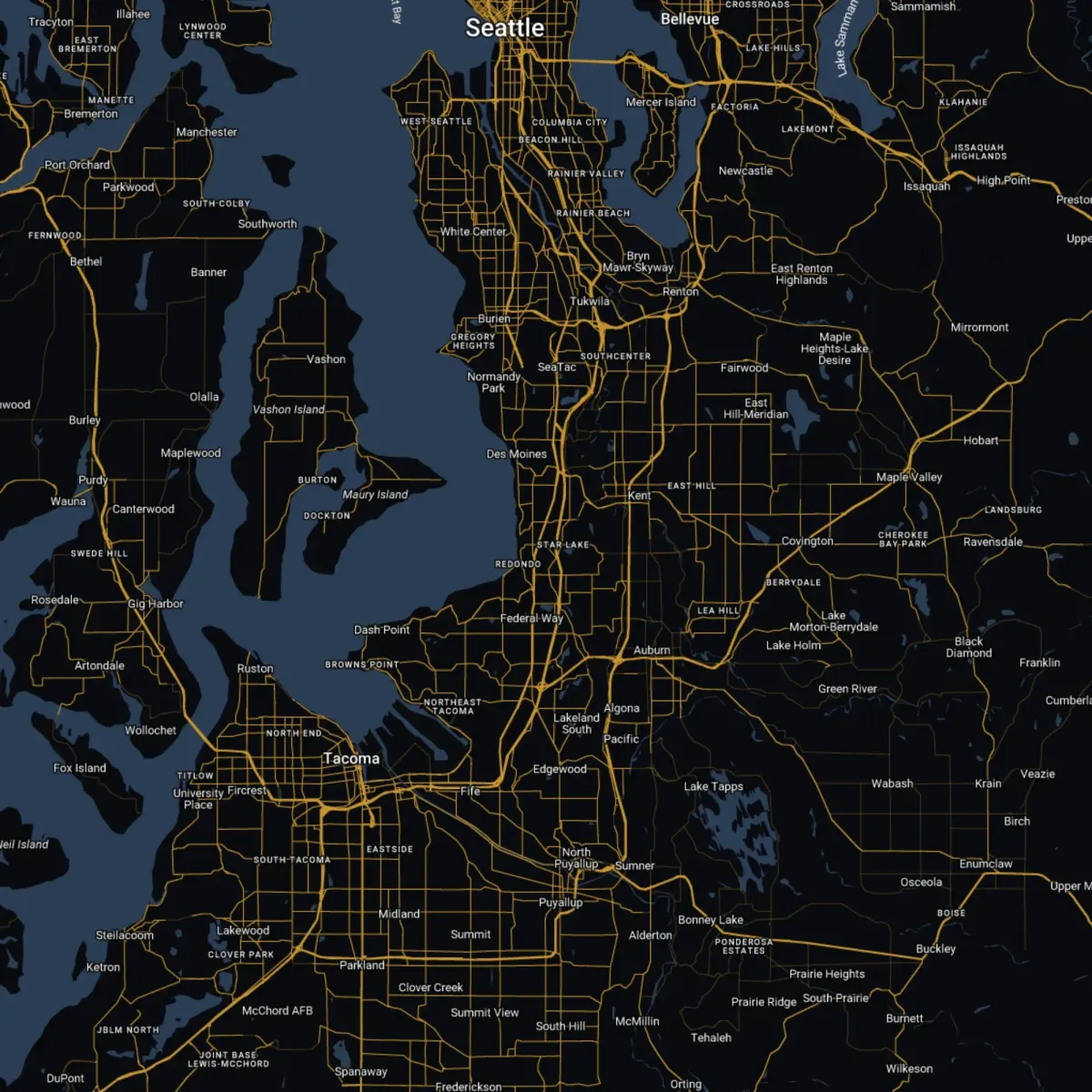
Serving Lake Tapps & Greater Puget Sound
Primal Outdoor Lighting & Design is based in the Lake Tapps area and serves homeowners throughout the greater Seattle and Puget Sound region.
From lakefront homes and wooded properties to suburban neighborhoods, estates, decks, docks, driveways, and outdoor living spaces, we design lighting around the way homes in Western Washington actually look, weather, and function after dark.
Lake Tapps, WA
Bonney Lake, WA
Auburn, WA
Sumner, WA
Puyallup, WA
Seattle & Greater Puget Sound
— Get Started —
Restore the Light, Balance, and Reliability of Your Property
A few failed fixtures can quickly change how the entire property looks and functions after dark. The right repair starts with finding the real cause, not replacing parts until something works.
Schedule an outdoor lighting inspection with Primal Outdoor Lighting & Design to diagnose the problem, review the system’s condition, and determine the most practical path back to dependable performance.

Custom outdoor lighting for Lake Tapps, Seattle, and Greater Puget Sound.
Navigation
Our Services
Areas We Serve
© 2026 Primal Outdoor Lighting & Design. All rights reserved.